



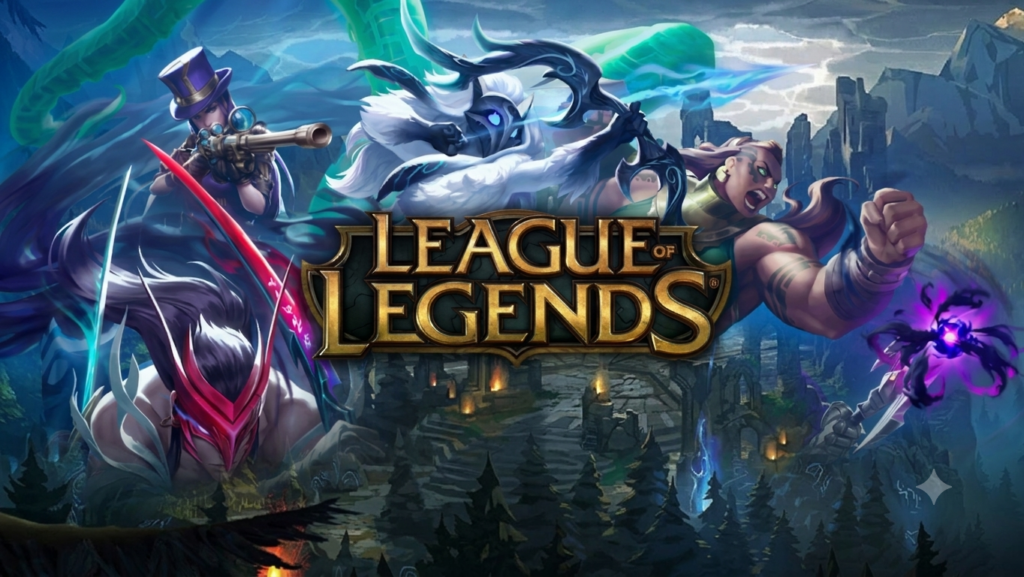
League of Legends can feel overwhelming when you first start playing because the game combines a large roster of champions, different roles, items, objectives, and mechanics into a single match. Even understanding what you should be doing at any given moment can be difficult when you are still learning what your abilities do and how the map works.
The good news is that you do not need to understand every system before playing your first game. Once you learn the basic objective, map layout, champion roles, and a few fundamental concepts, League of Legends becomes much easier to understand.
This beginner’s guide explains how to play League of Legends, what each role does, how you should approach different stages of a match, and which habits can help you improve without becoming overwhelmed.
What is League of Legends?
League of Legends is a multiplayer online battle arena (MOBA) developed by Riot Games, where two teams of five players compete against each other on Summoner’s Rift, with each player controlling a unique champion. The main objective is straightforward: destroy the enemy team’s Nexus before they destroy yours.
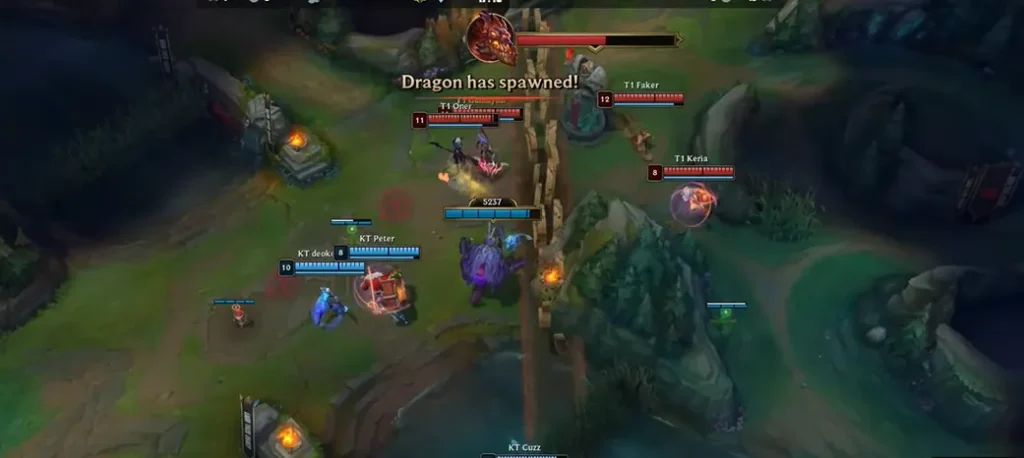
However, reaching the Nexus requires more than simply defeating enemy champions. Throughout a match, players earn gold and experience by farming minions, fighting champions, and participating in other activities, allowing them to level up, purchase items, and become stronger. Teams then use those advantages to destroy turrets, secure major objectives, and eventually break into the enemy base.
In simple terms, the core gameplay loop looks like this:
Farm resources → Become stronger → Fight for objectives → Destroy enemy structures → Destroy the Nexus
Understanding this basic progression is more important for a beginner than memorising every champion, item, or mechanic in the game.
Understanding Summoner’s Rift
Summoner’s Rift is the primary map used for standard 5v5 League of Legends games, and it is divided into three lanes: Top Lane, Mid Lane, and Bottom Lane. Between these lanes is the Jungle, which contains neutral monster camps as well as several important objectives.
Each team has a base located at opposite corners of the map, while lanes connect the two sides through a series of defensive structures. Minions regularly travel down each lane and fight enemy minions, while turrets protect important areas and prevent teams from reaching the enemy Nexus too easily.
For new players, it is important to understand that League is not simply a game about fighting. Much of the early game revolves around earning resources, controlling space, and creating opportunities, with kills being one possible way to gain an advantage rather than the ultimate goal.
What are the five roles in League of Legends?
A standard League of Legends team has five players, with each player generally taking responsibility for one of five positions: Top, Jungle, Mid, Bot, and Support. Although champions can sometimes be played outside their usual positions, learning the traditional responsibilities of each role gives beginners a much clearer idea of what they should be doing during a match.
Top lane
The Top Laner usually plays alone in the top lane, where fighters and tanks are particularly common because they can survive extended trades and become powerful later in the game.
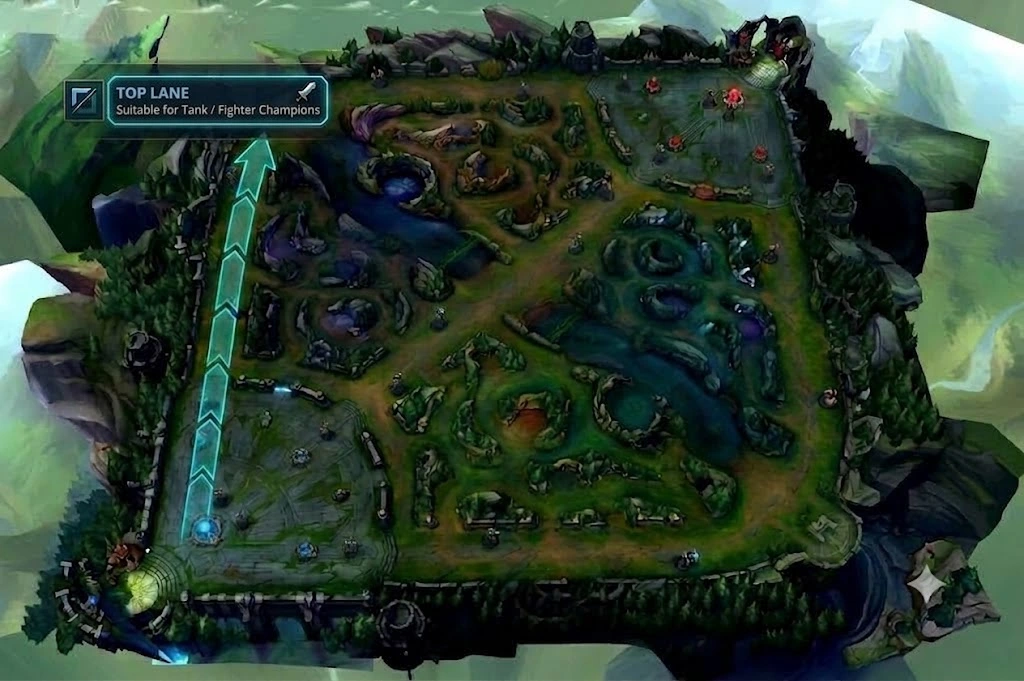
During the early stages of a match, your main priorities should be farming minions, gaining experience, managing your health, and avoiding unnecessary deaths. Because the lane is relatively isolated, you should also pay attention to the minimap so that you can react when the enemy jungler comes looking for a gank.
As you become more comfortable, you can start learning when to leave your lane to help with objectives or fights elsewhere on the map.
Jungle
The Jungler spends most of the early game moving between neutral monster camps rather than farming in a lane. While clearing the jungle, the jungler also watches the map for opportunities to gank, secure objectives, and help teammates who are under pressure.
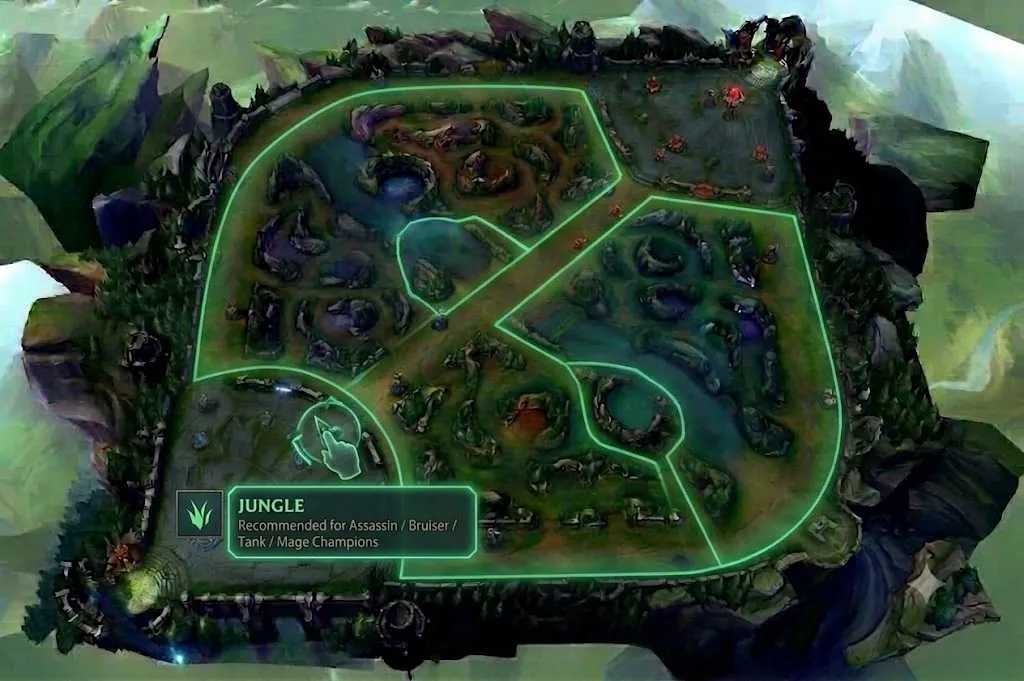
A gank occurs when a champion moves into another lane to surprise an enemy, usually with the goal of helping an ally force the opponent away or secure a kill. The jungle also contains major objectives such as Dragon and Baron Nashor, which can provide powerful advantages to the team that secures them.
Jungle can be more demanding for new players because the role requires an understanding of the map, jungle camps, objective timings, and ganking opportunities. If you are completely new to League, learning the game through a lane can make the fundamentals easier to understand before moving into the jungle.
Mid lane
The Mid Laner plays in the centre of the map, which gives them relatively easy access to both sides of Summoner’s Rift. Mages and assassins are common in this position, although the actual champion pool is much broader.
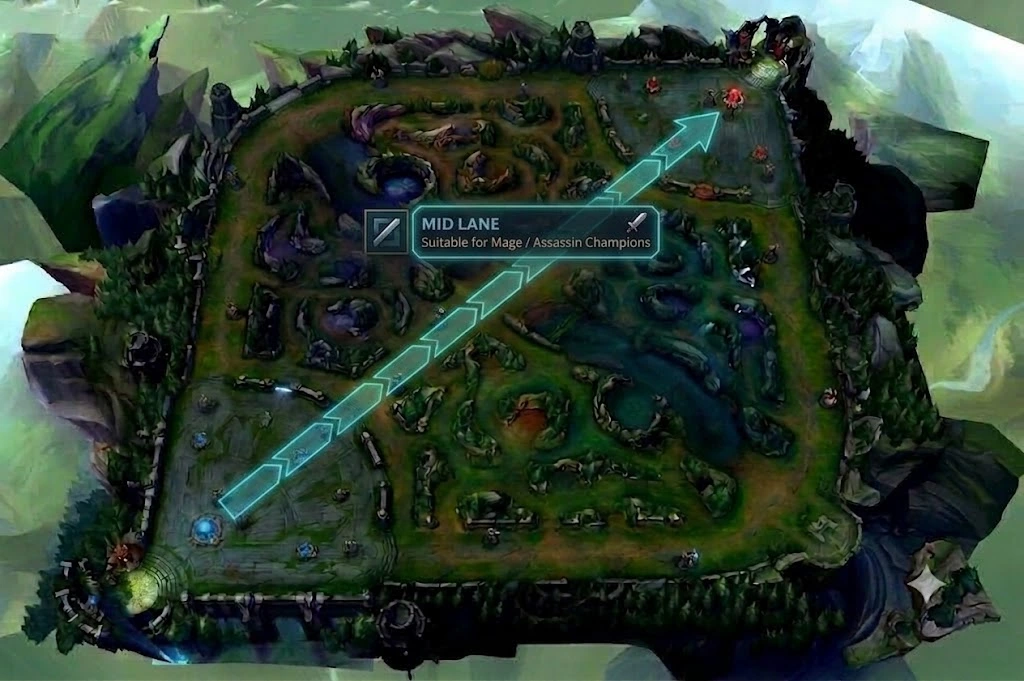
A Mid Laner’s early-game priorities are similar to those of other laners: farm efficiently, manage trades, avoid unnecessary deaths, and keep track of enemy movements. Because the lane is centrally located, however, Mid Laners can often roam to another lane or help their jungler when an opportunity appears.
Bottom lane
The bottom lane normally has two allied players: the Bot Laner, often referred to as the ADC, and the Support.
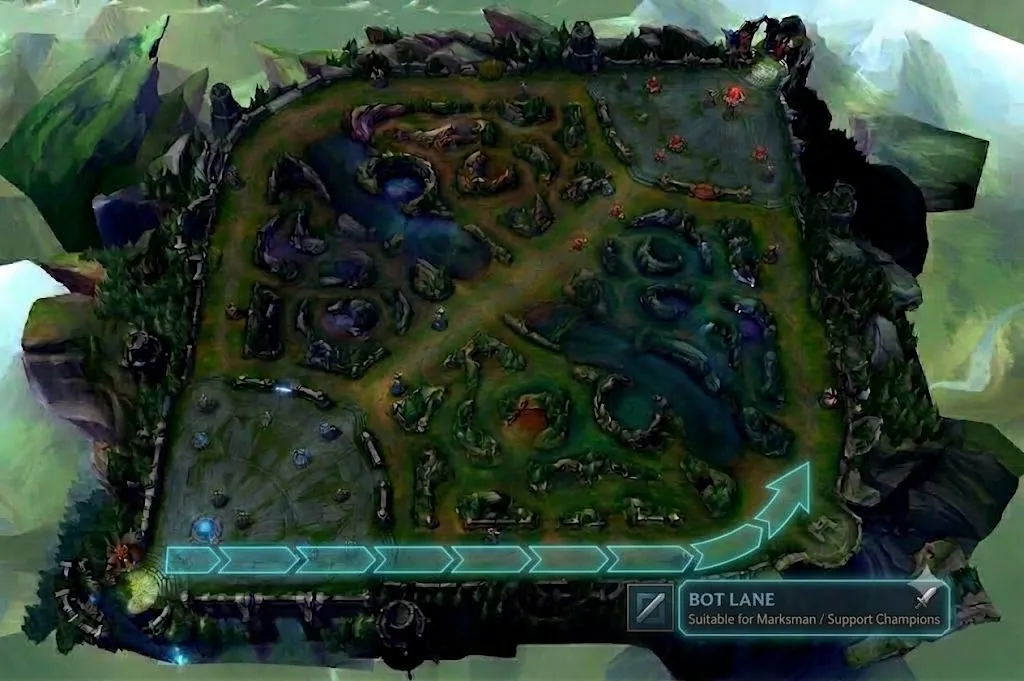
The Bot Laner generally focuses on farming and dealing sustained damage, becoming increasingly powerful as they acquire levels and items. Because many Bot Lane champions are relatively vulnerable when caught, positioning and staying alive are especially important.
The Support, meanwhile, helps the Bot Laner survive and create opportunities through abilities such as crowd control, healing, shielding, vision, or engage tools. Supports can also gain more opportunities to move around the map as the game develops, particularly when their presence is no longer required in Bot Lane.
What should you do during a match?
Once you understand your role, the next step is learning how to use your time and resources effectively. Rather than looking for fights constantly, beginners should focus on farming, gaining experience, spending gold, protecting themselves, and turning advantages into objectives.
Farm minions for gold
Minions are one of the most reliable sources of gold and experience for laners, making efficient farming one of the first skills you should practice. When an enemy minion is close to dying, try to land the final attack on it, which is known as last-hitting. Successfully last-hitting minions gives you gold that can later be spent on items, while consistently farming also helps you maintain a steady source of experience.
Although getting kills can provide a large reward, regularly collecting minion gold is much more reliable than constantly searching for fights.
Gain experience and level up
Champions gain experience from various sources during a match, including nearby minion deaths and champion takedowns. Once you gain enough experience, your champion levels up, increasing their stats and giving you skill points that can be used to level up their abilities.
This means that a player who spends too much time away from their lane can sometimes fall behind even without dying. When deciding whether to chase an enemy or move across the map, consider what resources you might be giving up in exchange.
Spend your gold
Gold only becomes useful when you turn it into additional power by purchasing items.
After returning to your team’s base, you can use your accumulated gold to purchase items that improve your champion’s statistics or provide effects that complement their abilities. If you are carrying a large amount of unspent gold, recalling to buy items can often be more valuable than staying on the map simply because you want to keep farming.
For beginners, following the game’s recommended item builds is usually a good starting point because it lets you focus on learning the champion instead of trying to understand every possible item combination immediately.
Destroy turrets
Turrets are defensive structures that protect the lanes and your team’s base, so destroying them allows your team to push deeper into enemy territory. This is one of the reasons why kills should not be treated as the main objective of League. A successful fight becomes much more valuable when your team can use the resulting advantage to damage a turret, take an objective, secure vision, or push another lane.
Understand major objectives
Major objectives give teams powerful advantages and often become the focus of fights around the middle and later stages of a match.
Dragons provide permanent benefits to the team that secures them, while Baron Nashor provides a powerful temporary buff that can help a team push enemy structures. As a beginner, you do not need to memorise every objective mechanic immediately. Instead, develop the habit of asking yourself what your team can accomplish after gaining an advantage. For example, if your team kills two enemy champions, rather than automatically chasing the remaining players across the map, you might be able to take Dragon, Baron, a turret, or another valuable objective.
Learning to convert an advantage into something that helps your team progress toward the Nexus is one of the most important steps between simply getting kills and actually winning games.
Learn your champion before learning the entire game
Trying to learn dozens of champions at the same time can make League unnecessarily confusing, so beginners are generally better off choosing one or two champions and playing them repeatedly.
Most champions have five main abilities: one Passive, three basic abilities bound to Q, W, and E, and an ultimate ability bound to R. Before entering a match, take some time to understand what each ability does and how the abilities work together. You do not need to memorise every damage value or cooldown immediately. Instead, focus on understanding your champion’s main source of damage, defensive or mobility tools, crowd control, ultimate, and basic ability combinations.
Once these become familiar, you can gradually learn more advanced concepts such as matchups, itemisation, ability interactions, and optimal combos.

If you’ve found your favourite champion and want to show off your love for the game, you can check this out to spruce up your gaming setup.
Learn to watch the minimap.
The minimap is one of the most important tools in League of Legends because it gives you information about the positions of allied champions, visible enemies, objectives, turrets, and important areas of the map.
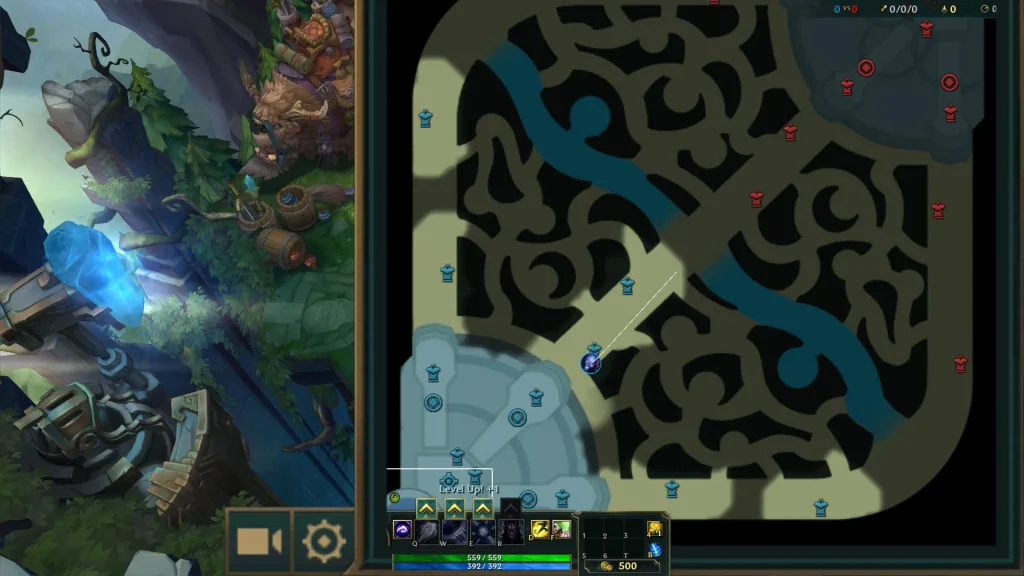
One of the most common beginner mistakes is focusing entirely on the champion in front of them. Instead, try to develop the habit of checking the minimap regularly so that you can notice missing enemies, incoming ganks, teammates who need help, and opportunities to make plays elsewhere. If the enemy jungler appears on the opposite side of the map, for example, you can often play more aggressively because you know where they are and can estimate how long it will take them to reach your lane.
Similarly, if the enemy champion disappears from your lane, they may have recalled or moved elsewhere on the map. This situation is commonly described as MIA (missing in action), and warning your teammates can help prevent an unexpected attack.
Use wards to maintain vision.
Wards provide vision of areas around the map, allowing your team to detect enemy champions moving through locations that would otherwise be hidden. For beginners, you do not need to master advanced vision control immediately. Instead, focus on placing wards in areas where enemies are likely to approach from, particularly around the river and jungle entrances near your lane.
A simple rule is worth remembering:
If you do not know where the enemy jungler is, assume they could be nearby. This mindset will encourage you to play more carefully when your lane lacks information about the enemy team’s movements.
Understand the different stages of a game.
Although every League match develops differently, it can generally be understood through three broad stages: the early game, mid game, and late game.
Early game
During the early game, laners usually focus on farming, gaining experience, trading with opponents, and establishing lane control. You should avoid fighting simply because an enemy champion is nearby and instead consider your health, mana, level, available abilities, and the location of the enemy jungler before committing to a fight.
Mid game
As turrets begin to fall, champions start moving around the map more frequently, and the game becomes less focused on individual lanes. Players rotate between lanes, fight around objectives, establish vision, and look for opportunities to punish isolated opponents. At this stage, you should begin thinking less about staying permanently in your assigned lane and more about where your champion can have the greatest impact.
Late game
By the late game, champions have accumulated multiple levels and items, making fights much more dangerous and mistakes significantly more expensive. A single lost team fight can allow the enemy team to secure major objectives or push into your base, so staying with your teammates and maintaining good positioning becomes increasingly important.
How should beginners approach team fights?
Team fights can look chaotic when you first start playing because several champions may use abilities simultaneously, but your role becomes much easier to understand once you identify what your champion is supposed to accomplish.
A tank may need to absorb damage and create opportunities for teammates, while a mage generally wants to deal damage from a safer distance. An ADC can provide significant sustained damage but usually needs to stay away from dangerous abilities, while a Support may focus on protecting allies, providing crowd control, or starting a fight.
You should not feel pressured to attack the most valuable enemy champion immediately. Sometimes the safest target is the opponent who is already within your range, particularly if chasing a priority target would expose you to unnecessary danger. For beginners, one of the most useful rules is to stay alive rather than sacrificing yourself for a small amount of extra damage.
Common mistakes new League players should avoid
New players naturally make mistakes, but recognising the most common ones can accelerate the learning process.
Chasing kills
Even when an enemy is low on health, chasing them too far can expose you to the rest of their team or cause you to miss an important objective. Learn to recognise when a kill is worth pursuing and when it is better to reset, collect nearby resources, or prepare for the next objective.
Fighting without information
Starting a fight without knowing where the rest of the enemy team is can turn a seemingly favourable situation into an ambush. Checking the minimap before committing to a fight can prevent many unnecessary deaths.
Ignoring minions
Spending too much time looking for kills can leave you significantly behind in gold and experience, even if you have not died. When there is no safe opportunity to fight, continuing to farm can still help you build a reliable advantage.
Buying random items
Different champions benefit from different item combinations, so buying items without considering your champion’s abilities can make you significantly weaker. If you are new to the game, following the recommended item build is completely fine. Once you understand your champion and the purpose of different items, you can begin experimenting with alternative builds.
Blaming teammates
League of Legends is a team game, which means mistakes will happen on both sides. Instead of spending the match focusing on who made a mistake, try to understand what you could have done differently, because that mindset will help you improve much faster.
How should beginners practice League of Legends?
You do not need to play hundreds of games before you can start improving. A focused approach is more useful when you are still learning the fundamentals.
Start by choosing one role and one or two champions so you can become familiar with their abilities, combos, strengths, weaknesses, and common matchups. Rather than trying to improve everything at once, set one or two specific goals for each game.
Begin by practising last-hitting and maintaining a steady income of gold and experience. Once farming becomes more comfortable, focus on checking the minimap, recognising missing enemies, and using wards around your lane. You should also learn the role-specific progression systems in the current version of League, including Role Quests for Top, Mid, and Bot and role-based progression systems for Jungle and Support.
After each game, review a few deaths or failed plays and consider what went wrong. Identifying one or two mistakes to correct in your next game is more effective than trying to analyse everything at once.
A simple beginner checklist
- Choose one role and one or two champions.
- Learn your champion’s abilities and basic combos.
- Practice last-hitting minions.
- Check the minimap regularly and use wards.
- Understand when to fight and when to retreat.
- Turn kills and other advantages into objectives.
- Review your mistakes after each game.
Once these fundamentals become natural, you can gradually move into more advanced concepts such as wave management, trading patterns, jungle tracking, roaming, itemisation, champion matchups, and team-fight positioning.
Final advices
League of Legends has a steep learning curve, but beginners do not need to master every system before they can enjoy the game. Starting with one role and a small champion pool gives you the opportunity to learn the fundamentals without having to process too much information at once.
As your farming, map awareness, positioning, and decision-making improve, the more complicated parts of League will become easier to understand. The goal of your first games should not be to play perfectly, but to understand why your decisions worked or failed and gradually make better decisions in the next match.
The more you play with that mindset, the less intimidating League of Legends becomes—and the more rewarding it is to improve.
Whether you’re looking for a budget-friendly rig or a top-tier machine for streaming your matches, explore our comprehensive breakdown of the Top Gaming Laptops to find the perfect match for your gaming needs.
Latest Updates
- Grow a Garden 2 codes (September 2026) and how to redeem
- Grow a Garden codes (September 2026): all active codes and rewards
- Wuthering Waves codes (September 2026): all active codes and rewards
- Zenless Zone Zero 3.3 leaks: Phoenix Reffaella & Severian Lowell
- Valorant September to October 2026: Events, updates, Champions Shanghai & More
As an Amazon Associate, Gaming Chill earns from qualifying purchases. This does not affect the price you pay or what we recommend. Full disclosure