





Xbox Cloud Gaming will introduce monthly playtime limits in November 2026. Game Pass Ultimate will include 15 cloud hours per month, Premium will include 10, and Essential will include 5. Once those hours are used, subscribers will be able to buy additional cloud playtime through the Xbox Store.
This only affects games streamed through Xbox Cloud Gaming. Games installed on an Xbox console or PC are not part of the cap.
Xbox Cloud Gaming time limits by Game Pass tier
Here is the monthly allowance Xbox has confirmed for each eligible Game Pass plan:
| Game Pass plan | Included cloud playtime | Per week if spread across 30 days | Per day in a 30-day month |
|---|---|---|---|
| Essential | 5 hours per month | About 1 hour 10 minutes | About 10 minutes |
| Premium | 10 hours per month | About 2 hours 20 minutes | About 20 minutes |
| Ultimate | 15 hours per month | About 3 hours 30 minutes | About 30 minutes |
These daily and weekly figures simply divide the allowance across a 30-day month. They are not separate caps.
There are two details worth checking before choosing a plan:
- PC Game Pass does not include cloud playtime. The cloud allowance is attached to Essential, Premium, and Ultimate.
- Hours from multiple subscriptions do not stack. According to the Xbox Cloud Gaming page, if more than one eligible subscription is active, the plan with the larger allowance applies.
What changes in November 2026?
Eligible Game Pass subscribers can currently use Xbox Cloud Gaming without a monthly hour cap. That changes in November, when each plan receives a fixed pool of cloud time.
Xbox says the service costs more to run as people stream more often and for longer. It expects the limits to affect about 4% of Game Pass subscribers. That sounds small, but the change hits hardest for people who use cloud gaming in place of a console.
For someone who occasionally opens a game on a phone or TV, the included time may be enough. For a cloud-only player who treats the service like a replacement for a console, even Ultimate’s 15 hours can disappear quickly.
For a video discussion of the announcement and the reaction around it, Inside Games breaks down the change here:
The limit is for cloud streaming, not all Game Pass gaming
The new policy does not mean Ultimate members can play Xbox games for only 15 hours each month. It limits Xbox Cloud Gaming sessions, not the full Game Pass subscription.
| Activity | Covered by the announced cloud limit? |
|---|---|
| Streaming a game through Xbox Cloud Gaming on a phone, tablet, browser, TV, handheld, or console | Yes |
| Playing a game installed on an Xbox console | No |
| Playing a downloaded PC game through the Xbox app | No |
| Downloading or installing a Game Pass title | No |
| Using Xbox Remote Play from your own console | Not identified as part of the Xbox Cloud Gaming allowance |
Xbox Remote Play streams from your own console, while Xbox Cloud Gaming runs a game on Microsoft’s servers. The announcement only names Xbox Cloud Gaming, so there is no official indication that Remote Play will use the new hour pool.
If you are comparing other ways to stream games away from your main setup, our guide to playing PC games on mobile explains the main remote-play options.
As an Amazon Associate I earn from qualifying purchases.
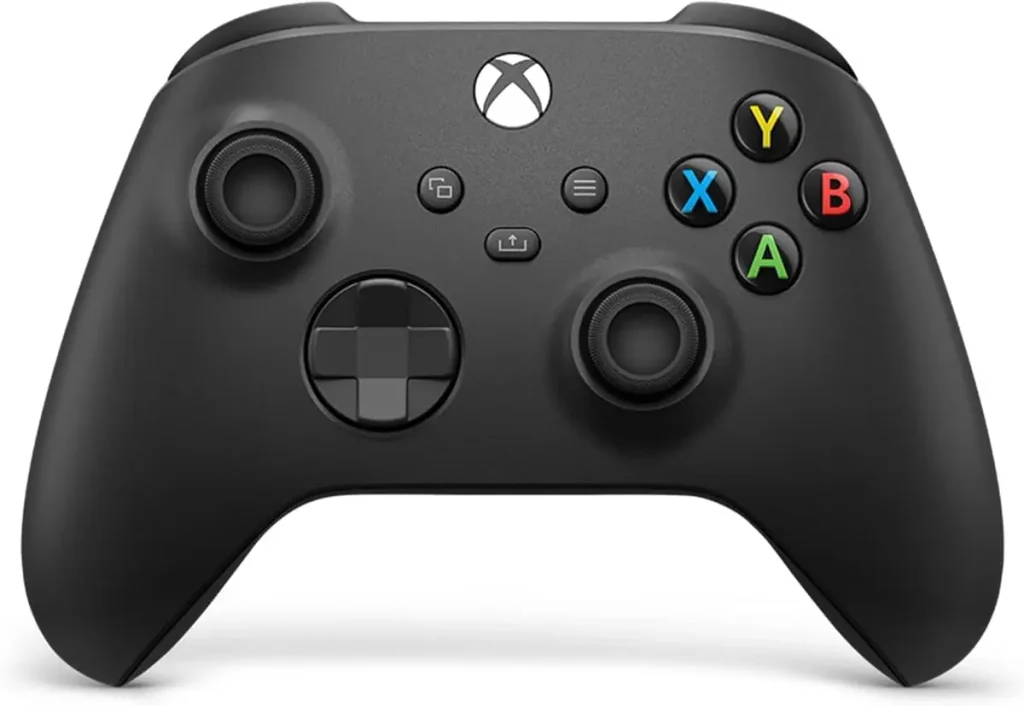
Some cloud games support touch controls. If you prefer a physical controller for your phone, PC, or TV, you can check the current price of the Xbox Wireless Controller on Amazon.
What happens when your cloud gaming time runs out?
You will be able to purchase additional cloud playtime through the Xbox Store. Xbox has not announced how many hours each purchase will provide or how much they will cost.
Xbox says purchase options may vary by market. It has not announced an unlimited add-on or an uncapped Game Pass tier, so there is currently no confirmed way to remove the limit completely. Otherwise, players can stop streaming until a new monthly allowance becomes available.
Can you use Xbox Cloud Gaming without Game Pass?
Starting in November, players without a Game Pass subscription will also be able to buy cloud playtime from the Xbox Store. They can use those hours to stream eligible games they own on supported devices.
The word eligible matters here. Owning an Xbox game does not automatically make it playable in the cloud. The title must appear in the Xbox cloud gaming catalog.
Xbox’s current service page also says supported free-to-play titles such as Fortnite can be streamed with a free Microsoft account in supported regions. The November announcement does not explain whether that arrangement will change when the new hour system begins.
This option could suit someone who streams occasionally and does not want a recurring subscription. We will not know whether it is good value until Xbox reveals the price.
How will Xbox count your cloud gaming hours?
Xbox has not said when its timer starts and stops. We do not yet know whether queues, loading screens, pauses, or idle sessions will use any of the allowance.
Other unanswered questions include:
- The exact November launch date
- Whether unused hours roll over to the next month
- Whether the allowance resets on the first day of the month or on your billing date
- How players will see their remaining minutes
- Which purchase options will be available in each market
Xbox says more information about pricing, eligible games, market availability, and the remaining-time display will arrive in November. For now, any usage calculation is only an estimate.
Is 15 hours per month enough?
For light cloud use, it can be. For anyone relying on the cloud as a primary gaming device, it probably will not be.
Because the timer rules are missing, the table below assumes every minute of a session counts:
| Cloud gaming routine | Cloud time used | Plan that covers the time |
|---|---|---|
| Four 60-minute sessions in a month | 4 hours | Essential, Premium, or Ultimate |
| Eight 60-minute sessions in a month | 8 hours | Premium or Ultimate |
| Eight 90-minute sessions in a month | 12 hours | Ultimate |
| One hour a day for 30 days | 30 hours | No plan without extra hours |
| Eight three-hour sessions in a month | 24 hours | No plan without extra hours |
These examples also show why an average of 30 minutes per day can be misleading. You do not have to ration Ultimate into daily half-hour sessions, but one long weekend can use a large share of the monthly total.
Who will notice the limit most?
The impact depends less on the games you play and more on where they run. The change matters most to:
- Cloud-first players who do not download games locally
- Smart TV and mobile users who stream without owning an Xbox console
- Xbox One owners who use the cloud to access eligible games built for Xbox Series X|S
- Travelers and handheld players who rely on streaming away from their main system
- Players with limited local storage who use the cloud instead of rotating installed games
Players who mainly download Game Pass titles may barely notice the policy. Heavy cloud users may end up paying for both Game Pass and extra cloud hours.
Should you change your Game Pass plan?
Do not upgrade based on the hour allowance alone. Game Pass plans differ in their catalogs and benefits, so cloud time is only one part of the value.
Start with how many hours you usually stream in a month:
- Up to 5 hours: Any eligible Game Pass tier can cover that amount of cloud use.
- More than 5 and up to 10 hours: Premium or Ultimate provides enough included time.
- More than 10 and up to 15 hours: Ultimate is the only announced tier that covers it without an extra purchase.
- More than 15 hours: None of the announced tiers covers this without extra hours.
If you regularly exceed 15 hours, wait for the additional-hour terms before deciding whether Ultimate still works for you. Compare the full monthly cost with downloading games to a console or PC, using Remote Play from your own Xbox, or buying standalone cloud hours without Game Pass when that option becomes available.
As an Amazon Associate, Gaming Chill earns from qualifying purchases. This does not affect the price you pay or what we recommend. Full disclosure